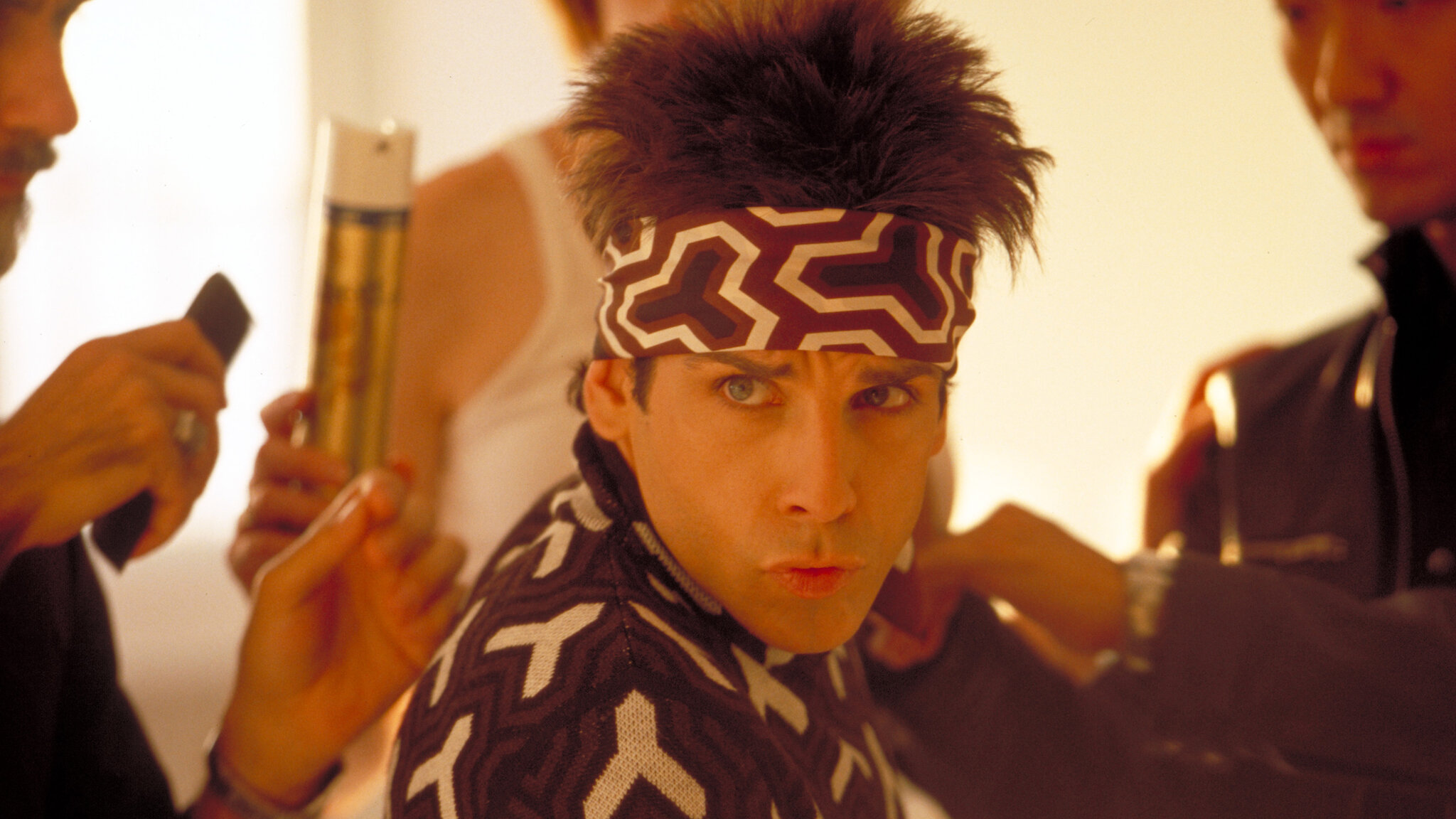
As actors, headshots are our calling card. They're the first contact for casting directors and agents that don't know us or haven't worked with us. There are lots of subtle differences between a good shot and a bad shot, and the industry constantly changes with preferences for particular types, trends, and photographers.
This article is intended to get you thinking about your headshots in a different way, as well as offering some tips to get the most out of your headshot session and picking the right shot that will best represent your casting types and industry niche.
Who to Pick?
The industry goes through different styles and preferences constantly. When I was leaving drama school, the industry was beginning to transition from black and white shots to colour, then outdoor shots became the thing to do. Now there's a range of different styles, but studio shoots are back with warm pastel backgrounds. By the time you read this it may be something different, so make sure to shop around and see which photographers are the popular ones right now.
Take a look at your fellow actors' headshots, and if you find one you like, ask them who they used. Look through casting directors' Spotlight searches to see what's actually getting attention. The UK market has its own preferences, and casting directors here want something authentic and natural, not overly styled American-style shots.
How Much Should You Pay for Your Headshots?
This is a tricky one as headshot sessions can get pricey. However, good photographers charge more for a reason. In London, you're looking at anywhere from £100 to £500 depending on experience level and what's included. Most established photographers charge between £250 and £500 for a decent session.
When you're first starting out or graduating drama school, you might go for the cheaper options. There's nothing wrong with this, but be sure to do your homework. Why are they cheaper? It may be that they don't have a studio and will do your session at their house or on a street. Find this information out and make sure you're comfortable with it.
More expensive headshots can seem like a lot to lay out, but you have to think of it as an investment. It's better to have a collection of headshots you're happy with than ones that will likely get replaced in the next year or two.
Preparing for Your Headshot Session
One of the biggest hates of actors is getting their headshots taken. There's a ton of pressure to get the right shot, and most actors are fine to play a role but hate having their picture taken (counterintuitive, I know). My first piece of advice is to approach this when going in for your session. Treat it like a role. Have 4 or 5 different character types mapped out that align with your casting type and keep them in mind when you progress through your session.
The goal of this is to create some versatility in your shots. The worst outcome you can have from a session is hundreds of shots where you have the exact same expression just wearing different jumpers. Don't be afraid to change things up and try stuff out. It's your session, so you need to make the most of it.
Any decent photographer will tell you to bring different outfits which complement different casting types and character looks. It's important to think about what characters you go up for, or maybe you want to start going up for a different casting type and want to get some shots which show that. Either way, be organised and mindful of these things to get the most out of your session. Stick to solid colours that complement your skin tone and avoid logos or busy patterns that distract from your face.
Getting the Eyes Right
The most important thing and the first thing that people notice in good shots is the eyes. They need to be alive and active. That's why it's good to think of it like a role or have some type of inner monologue going on where you can get some engagement between your eyes and the camera. You want to show something while being out of your head (hard to do, but again, having attention to this will help you get the best out of them).
Casting directors are particularly focused on authenticity. They want to see you as you'd walk into the audition room, not some heavily retouched version. Your headshot should look like you on your best day, not you on a night out or with dramatic makeup.
Techniques to Try During Your Session
Sometimes doing some physical things in your session can help bring out a nice shot. Again, a decent photographer will know all these tricks and aim to guide the session by doing these things. In case they don't, here are a few:
- Look down at the ground for 5-10 seconds then look up at the camera. This should get some activity out of the eyes.
- Move your feet to different angles and directions, try different stances, adjust your shoulders or face angle. With headshots it's a bit surgical and slight alterations in posture can encourage a good shot.
- Play around with angles, soften the knees and drop down a bit to create different energy levels.
- Try leaning in very slightly when sitting. This draws attention to your eyes and makes them the focus, but don't lean directly into the camera as it can look too keen.
Picking the Right Shot
Once you have your shots it can be hard to decide. You're given a contact sheet with hundreds of shots, and if you're like me it's horrible to look at yourself for that long. Here are some tips to help you decide.
Scroll through the contact form quickly and see what shots instantly stand out. This will mimic how casting directors actually look at submissions. If a particular shot pops out for you, hopefully it will in practice.
Showing them to friends and family can be a good idea to get their opinion, but bear in mind that they know you so may end up choosing shots that look like you and not the casting types or characters you were going for. Try to show them to some people you don't know so well. They'll most likely be more objective. Other actors can be great for this and they'll also have a bit of knowledge on the process.
Make sure to take your time and be happy with the shots you choose. There's no rush to decide, so spend a week or so thinking about it. Have a break from the contact sheet and then come back some days later and see if you still feel the same about your picks. Most casting directors recommend having 4 to 6 different headshots on your Spotlight profile showing genuine range, not six versions of the same expression.
My Agent Wants Me to Get New Shots?
This is such a common occurrence. You got headshots done leaving drama school and now you're signed, your new agent wants you to get some new shots. What now?
If your agent is asking for new ones because they're not of good enough quality or don't show enough range and casting options, then maybe they have a point and you'll need to bite the bullet. However, if you're happy with your shots and they're current, then keep them.
Agents sometimes get kickbacks from clients they direct to photographers, so if your agent is being pushy on this and insisting that you go with a particular photographer, it's worth questioning their motives. Ask them specifically what's wrong with your current shots and what they think new ones will achieve.
If things have been quiet for a while with your agent, they may suggest you get some new shots. Again, ask them why they think new shots will help. If they have legitimate points about your look having changed or the shots being out of date, it may be a good idea to update them. However, if they just suggest changing things up and your shots are current and good quality, it can sometimes be a bit of an excuse that agents fall back on for essentially not doing their job.
The reality is, headshots should be updated every couple of years or whenever your look significantly changes. If you've changed your hair, lost or gained weight, or your overall appearance has shifted, then yes, you need new shots. Casting directors need to recognise you from your headshot when you walk in the room.
Final Thoughts
Your headshots are your calling card in this industry. They're working for you 24/7 on Spotlight, Mandy, and wherever else you're listed. In the UK market, casting directors value authenticity over everything else. They want to see the real you, not some overly polished version that doesn't match who walks through the door.
Invest in quality, do your research, and make sure your headshots actually represent the casting types you're going for. At Get Repped, we help actors connect with the right agents, but even the best agent connections won't help if your headshots aren't up to scratch. Your shots need to work as hard as you do.
Take control of your session, be prepared, and don't settle for shots you're not happy with. This is your career, and these images are the first impression casting directors will have of you. Make them count.