
At Get Repped, we help actors find representation by providing practical advice and tips to help them present themselves effectively to the industry. When you're unrepresented, it can be difficult to objectively evaluate your own materials. You're so close to your career that it's easy to overlook things that might be obvious to someone viewing your profile for the first time.
Your Spotlight profile is your shop window to the industry. It's often the first thing agents and casting directors see when considering you for representation or roles. Getting it right can significantly increase your chances of catching attention and securing opportunities.
Here's some practical advice and general best practices for optimizing your Spotlight profile.
Headshots: Your Calling Card
Without doubt, this is the most important element for any actor. Your headshot is your calling card and the first point of contact for casting directors when you've been submitted for a job.
On the casting side, they'll have long lists of actor submissions showing thumbnails of headshots. They're looking for shots that match the character they're casting, but also images that stand out from dozens or hundreds of others.
For Spotlight, you want your base or neutral shot as your main image, then four to five additional shots showing different casting types. There's no point having eight or nine shots if you have the exact same expression in each one, just wearing different outfits. Make sure you're representing the range of casting types you offer and giving a glimpse into what kind of performer you are.
Full body shots are absolutely fine as long as they've been professionally taken. They can be particularly useful if you have a specific physique relevant to your casting, such as former athletes, dancers, or performers with distinctive physical presence.
Your shots need to be professionally taken by a photographer who understands actor headshots. That means no selfies (yes, we have seen them), no phone photos, no casual snapshots. This is a professional industry, and your materials need to reflect that standard.
Location Settings
Make sure your current location is listed on your profile, as casting directors frequently search by location. You can add up to three locations where you have an existing base on your Spotlight profile.
This can be strategically important for casting opportunities. For example, if a production is filming in Dublin, casting will often hire local actors for smaller roles. If you have a base in Dublin but primarily live in London, include both locations in your settings. This opens up opportunities you might otherwise miss.
About Me Section
Keep your 'About Me' section brief, updated, and relevant. If you've added details of a production you're currently appearing in, don't forget to move it to your credits once it's complete.
Use this space to highlight skills that make you stand out from other performers. Reviews and awards can be included here, as well as details about visas or passports if you live abroad.
One thing to be mindful of: if you fill this section with information about multiple current projects, casting directors may assume you're too busy and not consider you for upcoming roles. It's a balance between showing you're working and showing you're available.
Testimonials can work well here, but keep them selective. If you've had a strong write-up in a national newspaper about a show, that's worth including with a link to the article. However, posting four or five testimonials from blog reviews of fringe shows can come across as less professional. Quality over quantity.
My general view on this section: keep it minimal unless you have key information casting directors genuinely need to know. Remember, they're looking for an actor who fits the role they're casting. They're less interested in knowing who you are as a person and more focused on what you can bring to their specific project.
Showreel
Including a showreel on your Spotlight profile is essential. We've heard from multiple sources that casting directors often filter out actors without one. The reason is straightforward: if they're casting for TV or film, they need to see what you look like on camera and how you perform in that medium.
We have a dedicated blog article specifically about creating effective showreels, but here are the key points:
Showreels should be between one and three minutes. Your biggest, most impressive credits should come first. Casting directors rarely watch an entire showreel, so make sure your best work is highlighted at the beginning.
Only include material that's of professional quality. It's understandable that you might have worked on a short film for free and been disappointed with the final result. Be critical about the quality and presentation. Does it show you in a good light? If it comes across as unprofessional, don't include it. A shorter showreel with strong material is far better than a longer one padded with weak footage.
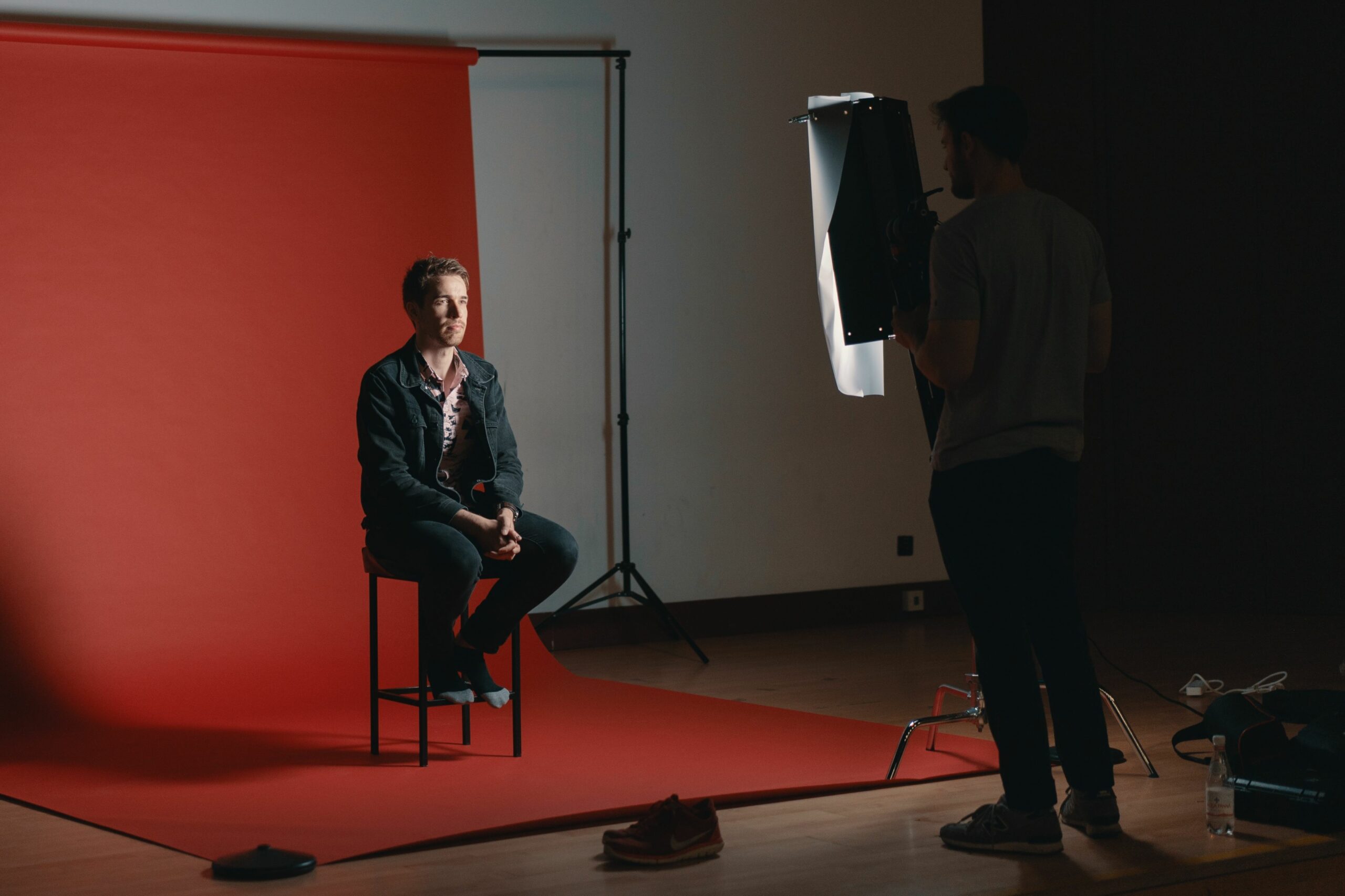
If you don't yet have professional footage, it's acceptable to upload a monologue or tape-style dialogue scene. However, this needs to be shot professionally in a studio with good camera work and sound quality. Don't include self-tapes on your showreel.
The most important note on showreels: they need to align with your credits listed. We often see actors with fantastic TV and film credits who don't include that footage in their showreel. The only acceptable exception is if the show or film hasn't been released yet. If it has aired, you need to source that material and include it.
When your showreel and credits don't match up, it can raise questions for agents and casting directors. They look at hundreds of profiles regularly and have developed sharp instincts for spotting inconsistencies. Make sure everything aligns.
Credits
Your credits should be organized into clear subcategories: TV, theatre, film, commercials, and so on. If you're just starting out with only a few credits, it's fine to list them together. But as your CV grows, proper organization becomes crucial. Great credits can get buried and overlooked when everything is jumbled together without structure.
Each credit should have all available fields filled out with accurate information about the project. Including short films is absolutely fine, but be selective. Focus on shorts that have won awards or played in the film festival circuit. You don't need to include every short film and fringe show you've ever done. This will actually work against you and look less professional. If you cannot fill out all the fields that is a good sign the credit should not be included.
It's perfectly acceptable to not have many credits on Spotlight, especially when you're just starting out. Lean into it and make it a positive. You're a fresh face with something new to offer the industry.
Make sure you can substantiate all the credits on your CV. A legitimate credit for an actor is a role where you had a speaking part and were hired under contract. Extra work should never be included as an acting credit. Be honest with yourself and the industry about your experience.
One common issue we see: actors not including the distribution platform for their TV and film work. There are hundreds of production companies out there, and it's impossible for agents and casting directors to know them all. Always include where your show aired, such as "Bad Wolf / Disney+" or "Netflix." This way, the credit stands out with something instantly recognizable, and people can immediately gauge the level of that credit.
In the role section, you can add additional context about significant parts. For example: "Lisa (Lead)" or "Alex (Supporting)." Alternatively, you could include this in the credit name itself, such as "EastEnders (10 eps)." This is a smart way to highlight high-level jobs where you had a substantial role.
Playing Age, Accents, and Skills
Be realistic about your playing age. Spotlight allows you to publish precise age ranges on your profile. Only choose a range you can genuinely be cast to play. Take time to reflect on this honestly, and check it regularly as you get older or your look changes. You playing range should be between 5-10 years.
Be accurate when listing accents and languages. When casting directors call you in, they need confidence that you can deliver those accents at short notice. Only publish accents you can do well and naturally. You can add audio samples to your profile to demonstrate your range.
Be honest about the skills you publish on your profile. If you can ride a horse, great. But don't list it if you've only been on a horse once. If you feel comfortable using a skill on set or on stage, then add it to your Spotlight profile. Always list any driving licenses too, as these are frequently required for roles.
Final Thoughts: Presenting Your Best Self
Think of your Spotlight profile as your professional portfolio. Keep it clean, organized, and current. These simple standards make a genuine difference in how you're perceived.
Try to be objective with yourself. Ask how you're coming across. Better yet, show your profile to people who don't know you well and get their first impressions. Fresh eyes often spot things you've become blind to.
Make sure to keep everything updated. Your Spotlight profile is the key tool that gets you work, so it's worth investing the time to get it right and maintain it properly.
If you don't yet have a showreel or professional credits, get proactive. Audition for short films with accredited film schools to gain material and experience. The same goes for quality fringe theatre. Starting out can feel like a catch-22, but the solution is to create your own opportunities. Get out there and build your experience.
Your Spotlight profile is working for you 24/7, even when you're asleep. It's being viewed by agents and casting directors searching for their next project. Make sure when they find you, what they see represents the professional, prepared actor you are.
At Get Repped, we help actors optimize their approach to finding representation. Our platform provides direct contacts for agents and casting directors, along with email tracking so you know who's engaging with your submissions. But before you reach out to anyone, make sure your Spotlight profile is doing the heavy lifting. Get these fundamentals right, and you'll significantly increase your chances of success.